Culture Diff' logo
ligne horizontale

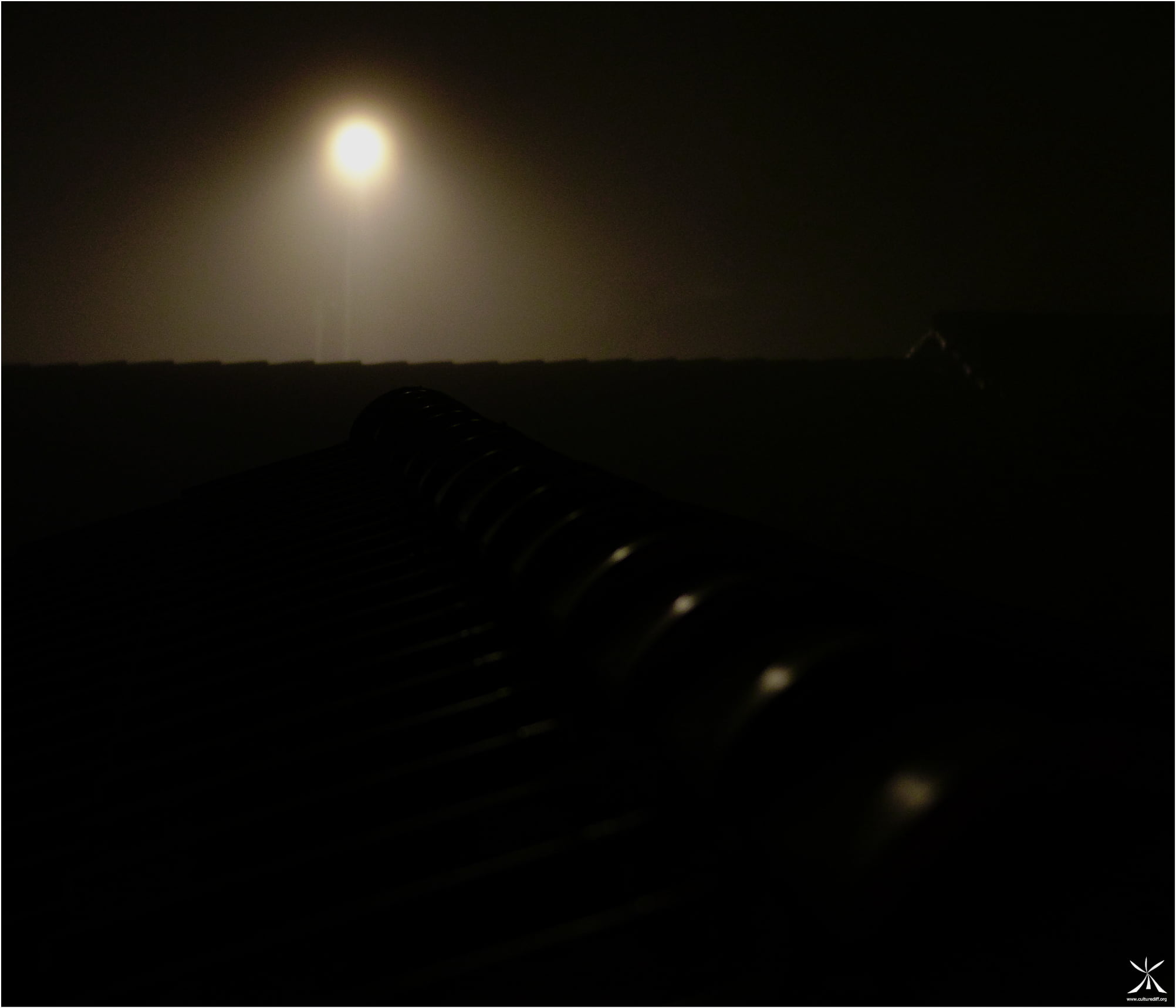
Mist over the city

First envisaged in the 13th century by King Saint Louis as a means of fighting crimes and offenses, and implemented by his successors on selected streets in Paris, nighttime street lighting gradually spread to the main thoroughfares of major European capitals: Hamburg (in 1673), Turin and Brussels (in 1675), Berlin (in 1682), Copenhagen (in 1683), Vienna (in 1688), and Dublin (in 1697). A royal edict dated 1697 required the major cities of the Kingdom of France to follow the example of the « City of Light » and to illuminate their streets from October 20 to March 30.

The very first candle installed near the Porte du Châtelet, Paris (1318) was followed by lanterns placed at every street corner, oil streetlights (1766), and then gas streetlights (between 1810 and 1830); and finally, electric lights (between 1910 and 1940). Beginning in 1945, fluorescent tubes filled with neon gas illuminated every street in French cities—as well as the facades of monuments and storefronts. More recently, LED lights, known for their high brightness and low energy consumption, have made their appearance.

Across the globe, city nights have gradually ceased to be dark. From orbit, the surface of our Earth now appears dotted with countless points of light, whose intensity and extent reflect the scale of the illuminated city.

In recent decades, the brightness of the Earth’s surface has increased by 2% per year. This brightness is considered light pollution when the lighting is inappropriate: redundant or even unnecessary, directed in all directions (including the sky), too intense, lasting throughout the night, and white-blue in color. This results in serious damage to ecosystems and biodiversity as a whole.

Mist over the city
ligne horizontale

Photo Infos

  • Photographic conditions : Sigma fp + 45mm F2.8 - F/2.8 - 1/15 second - ISO 2000
  • Processing tool of the photography : Sigma Photo Pro 6.9
  • Optimization of the display : 180 px/in + MozJPEG

Keywords : glow of a streetlight, history of light pollution, biodiversity conservation, Haute-Garonne, Occitanie

Downloading

This functionality will be available soon.

Print-on-demand

The partnership established with the company Fine Art America, one of the world leaders in printing technology for works of art on various surfaces (walls, clothes, decorative objects, etc.), allows the Culture Diff' company to offer you a Museum Quality printing of this photograph.

Explore the different supports, formats and printing styles available by clicking here.

ligne horizontale